
Hybrid Work Housing in Dallas: 7 Mistakes Remote Professionals Make (And How to Avoid Them in 2026)

Dallas has become a magnet for remote and hybrid professionals. With its booming tech scene, affordable cost of living (compared to coastal cities), and vibrant neighborhoods, it's no wonder people are flocking here to work, live, and thrive. But here's the thing, finding the right housing for hybrid work isn't as simple as picking a cute apartment with good natural light.
Whether you're relocating for a new gig, testing out Dallas before committing long-term, or just need a comfortable base for your remote work life, the housing decisions you make can seriously impact your productivity, well-being, and wallet.
Let's break down the seven most common mistakes hybrid workers make when choosing housing in Dallas, and exactly how to sidestep them in 2026.
Mistake #1: Assuming Any Internet Will Do
You'd think in 2026, reliable internet would be a given. Spoiler alert: it's not.
Many remote professionals tour an apartment, see a router in the corner, and assume they're good to go. But not all internet connections are created equal. Video calls freeze. Downloads crawl. And suddenly that important client presentation turns into a pixelated nightmare.
How to avoid it: Before signing anything, ask for specifics. What's the upload and download speed? Is the connection fiber or cable? Can you run a speed test during your tour? Look for housing providers who prioritize fast, reliable internet as a standard amenity, not an afterthought. At PBD Living, high-speed connectivity comes standard because we get it: your work depends on it.
Mistake #2: Overlooking Dedicated Workspace
Working from your bed sounds cozy until your back starts screaming and your productivity tanks. A lot of hybrid workers move into spaces without considering where they'll actually work day-to-day.
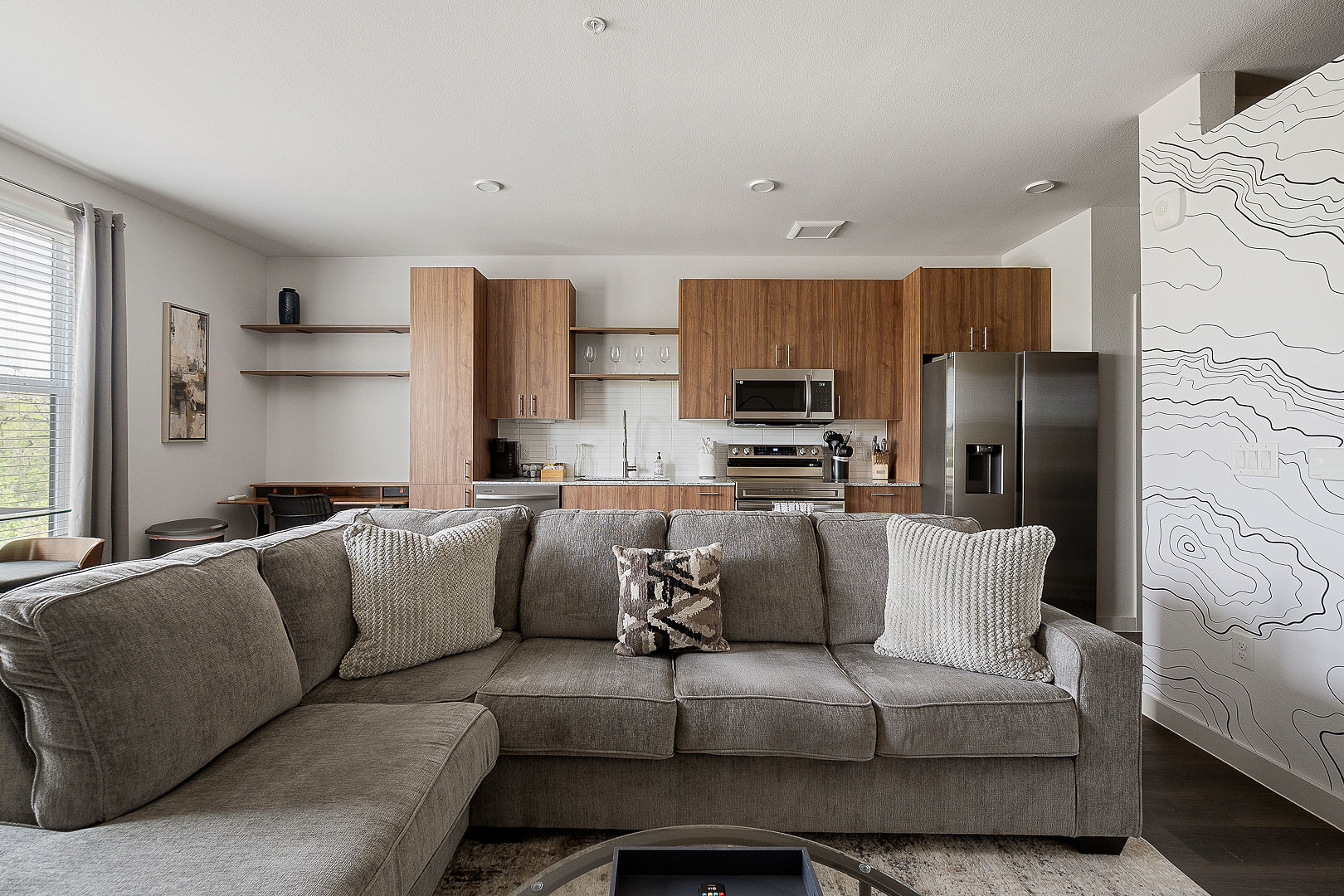
That open-concept living room might look gorgeous on Instagram, but if there's nowhere to set up a proper desk and chair, you're setting yourself up for discomfort and distraction.
How to avoid it: Prioritize apartments that include a designated workspace, or at least have room for one. Look for features like a desk area, good lighting near windows, and enough outlets to keep your devices charged. Some furnished apartments come fully equipped with work-from-home setups, saving you the hassle of buying and assembling furniture.
Mistake #3: Choosing Location Based Only on Price
We all love a good deal. But choosing the cheapest option without considering location can cost you more in the long run, in time, stress, and even money.
That bargain apartment 45 minutes outside the city might seem smart until you factor in gas, tolls, and the hours you'll lose commuting on your in-office days. Dallas traffic is no joke, especially during rush hour on I-35 or the 635.
How to avoid it: Think strategically. Where is your office (if you have one)? What neighborhoods offer the best balance of affordability, commute time, and lifestyle? Areas like Uptown, Deep Ellum, Oak Lawn, and Victory Park offer excellent access to major business districts while still being walkable and vibrant. If you're fully remote, consider what matters to you, proximity to gyms, parks, restaurants, or coworking spaces.
Mistake #4: Ignoring the Noise Factor
Picture this: You're about to close a major deal on a video call, and suddenly your neighbor's dog starts howling, construction kicks off outside, or the apartment above you turns into a drum practice studio.
Noise is one of the most underestimated factors when choosing hybrid work housing. And once you're locked into a lease, there's not much you can do about it.
How to avoid it: Visit potential apartments at different times of day. Ask about soundproofing, building rules, and what's happening in the surrounding area. Is there construction planned nearby? Are you next to a busy street or entertainment district? These details matter when your home is also your office.
Pro tip: Look for apartments with features like double-pane windows, solid doors, and concrete construction, they make a huge difference.
Mistake #5: Forgetting About Flexibility
Here's a scenario that plays out way too often: A remote professional signs a 12-month lease, then three months in, their company changes policies, they get a new job in another city, or life just... happens.
Long-term leases made sense in the old days. But in the hybrid work era? Flexibility is king.
How to avoid it: Consider short-term or month-to-month housing options that give you room to adapt. Corporate housing and furnished apartments often offer flexible lease terms that traditional rentals don't. This way, if your situation changes, you're not stuck paying rent on a place you can't use.
At PBD Living, we specialize in flexible stays that work around your life, not the other way around.
Mistake #6: Underestimating the "Little Things"
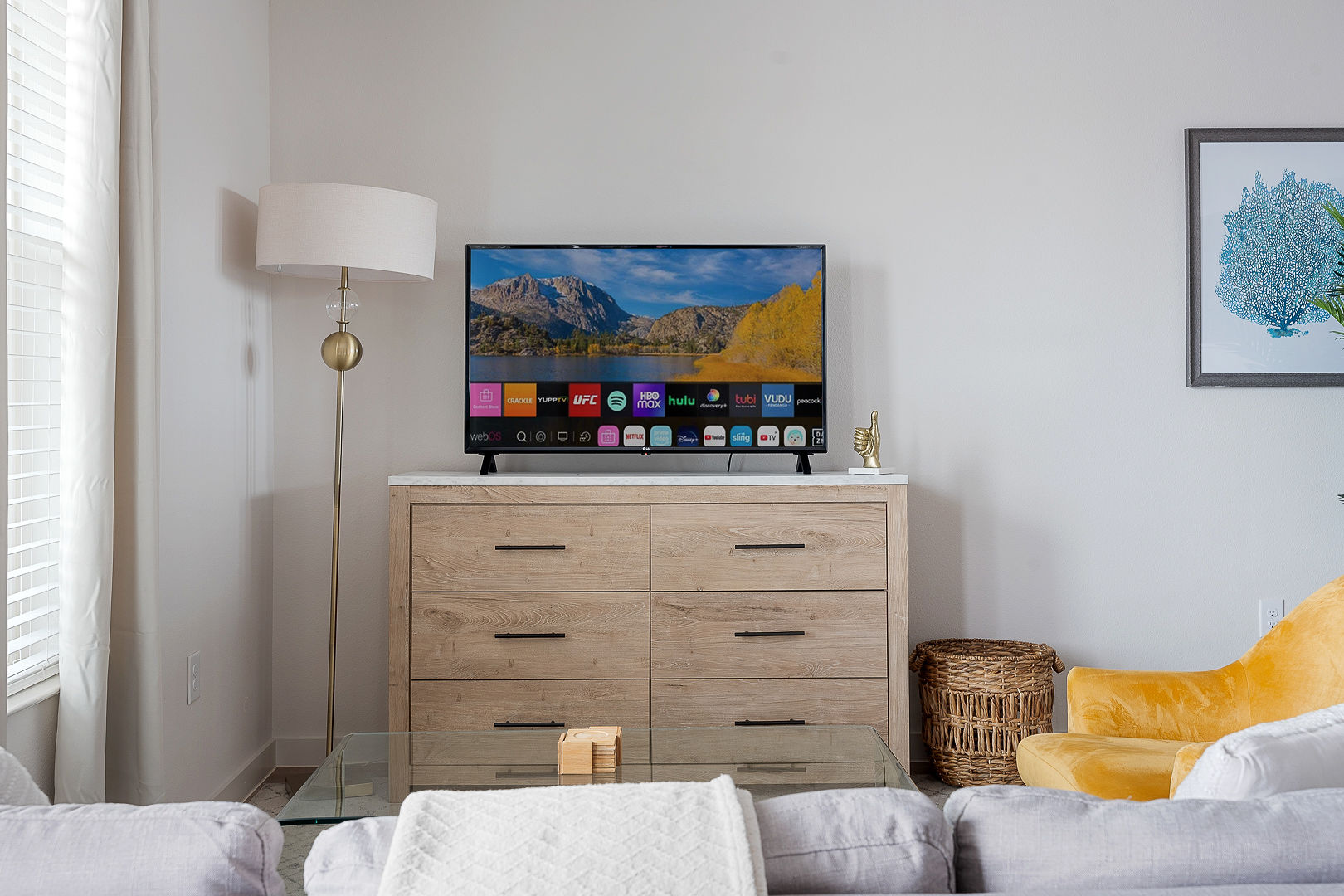
When you're touring apartments, it's easy to focus on the big stuff, square footage, bedroom count, kitchen size. But hybrid workers spend a LOT of time at home, which means the little things add up fast.
We're talking about:
Uncomfortable furniture you didn't notice during the tour
A kitchen that's missing basic cookware
No blackout curtains when you need to focus
Poor lighting that strains your eyes during long work sessions
How to avoid it: If you're looking at furnished housing, don't just glance at the photos, dig into the details. What's included? Is the furniture actually comfortable and functional? Are there quality linens, a proper coffee maker, and all the kitchen essentials?
The best corporate housing providers think about these details so you don't have to. Check out our guide on how to choose the best corporate housing in Dallas for a full breakdown of what to look for.
Mistake #7: Not Considering Your Well-Being
Remote work can blur the lines between professional and personal life. If your housing doesn't support your well-being, burnout creeps in fast.
Many hybrid workers don't think about factors like natural light, air quality, access to outdoor spaces, or proximity to fitness options. But these things directly impact your energy, focus, and mental health.
How to avoid it: Look for housing that promotes wellness. Big windows for natural light. Air quality monitoring (yes, this is a thing now). Access to pools, fitness centers, or nearby parks. A layout that lets you mentally "leave" work at the end of the day.
Some forward-thinking housing providers even include wellness-focused amenities as standard. It's not just a nice-to-have anymore: it's essential for sustainable remote work.
The Bottom Line: Your Housing Should Work as Hard as You Do
Choosing the right housing as a hybrid professional isn't just about finding a place to sleep. It's about creating an environment where you can do your best work, maintain your well-being, and have the flexibility to adapt as life changes.
Dallas offers incredible options for remote and hybrid workers: but only if you know what to look for and what pitfalls to avoid.
Quick recap of the 7 mistakes to dodge:
Assuming any internet will do
Overlooking dedicated workspace
Choosing location based only on price
Ignoring the noise factor
Forgetting about flexibility
Underestimating the little things
Not considering your well-being
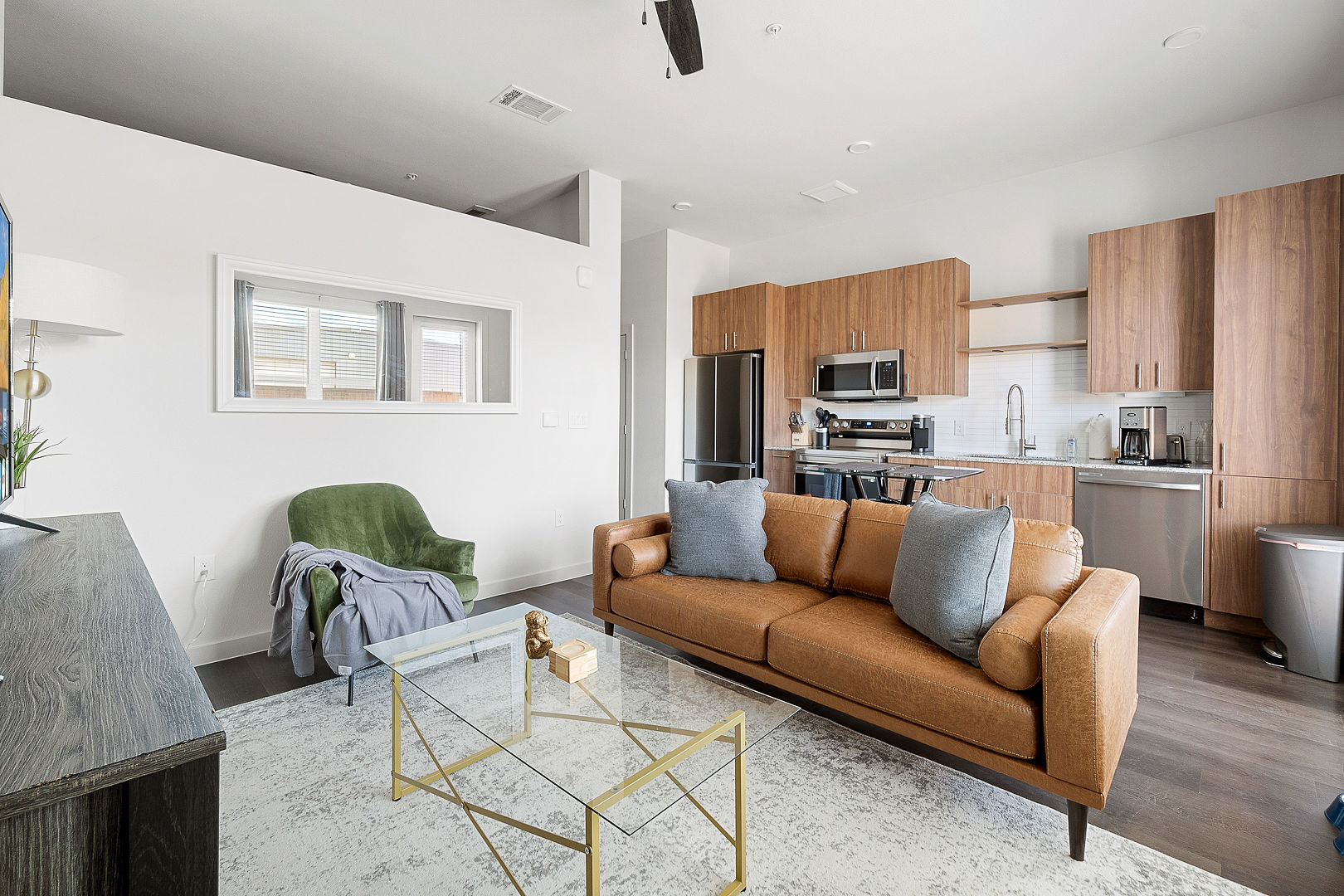
If you're relocating to Dallas or looking for a better setup for your hybrid work life, PBD Living offers fully furnished, flexible-term apartments designed with remote professionals in mind. Fast internet, comfortable workspaces, wellness amenities, and all the details handled: so you can focus on what you do best.
Ready to find your perfect hybrid work home in Dallas? Explore our available properties and see the difference thoughtful housing makes.
Comments