
The $3,000 Weekend Nobody Slept Through

How a modest 3-bed, 2-bath home in DFW earned more in two days than most short-term rentals earn in two weeks, and what it says about the difference between listing a home and managing one.
Alternate title options for the editor: “Same House, New Audience: How Design Turned 48 Hours Into a Month of Revenue” · “Your Home Is a Set. You Just Haven't Cast It Yet.”
It wasn’t a mansion. No infinity pool, no skyline view, no gated drive.
It was a three-bedroom, two-bath home in DFW. On a normal night, it books between $180 and $300. Good guests, steady reviews, a solid performer.
This fall, that same home booked $3,000 for two days.
Nobody slept there.
The call that wasn’t a reservation
The inquiry didn’t come from a family planning a visit or a consultant on a project. It came from a production team looking for a location.
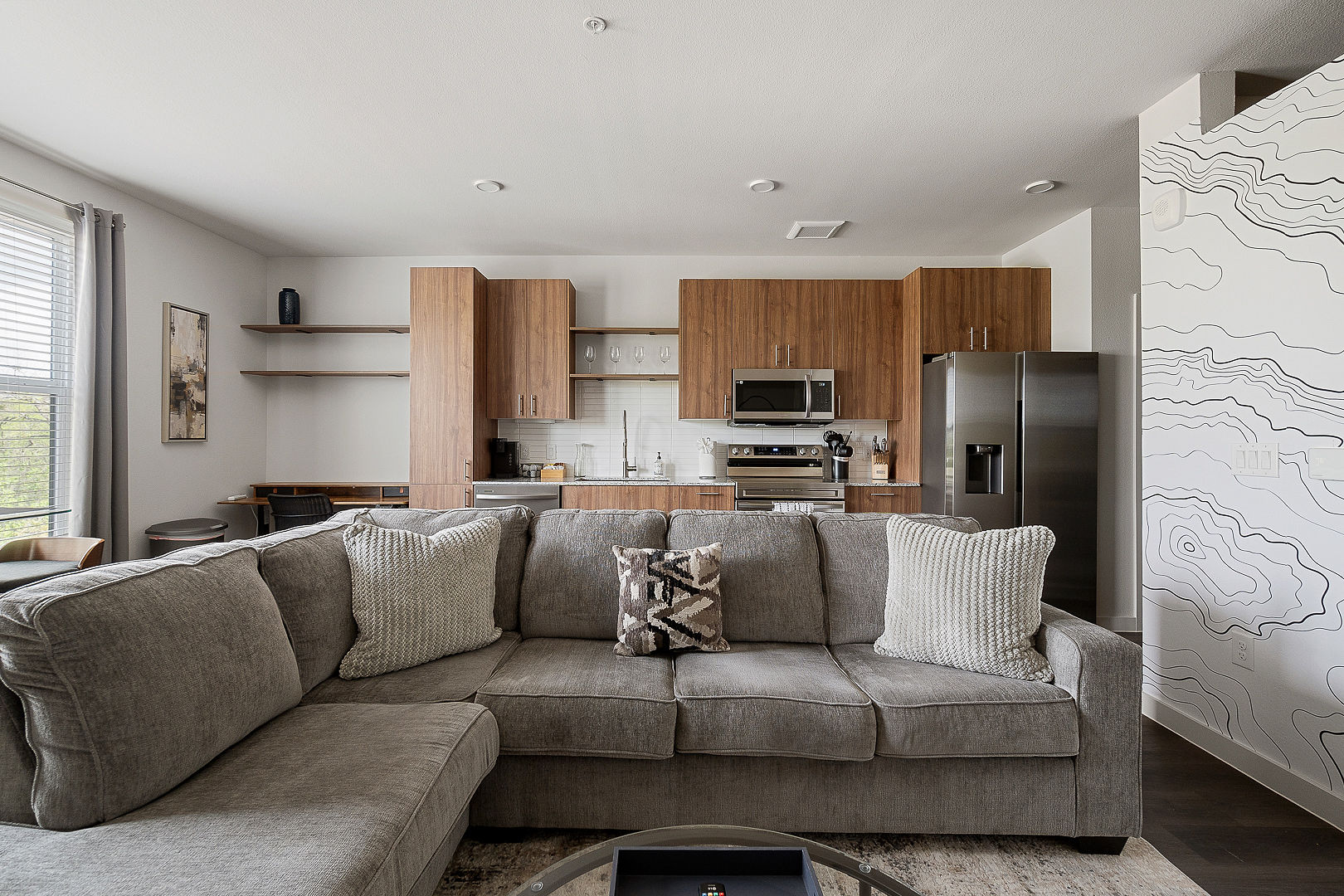
They weren’t searching for “3-bedroom near Dallas.” They were searching for a feeling: natural light, a kitchen that looks lived-in but not cluttered, a living room that photographs warm on camera. A home that looks like the home their audience wishes they had.
They found it in ours, and in two days they paid what this home would normally earn over 10 to 16 nights.
That’s the part worth paying attention to. The property didn’t change. The audience did. For those two days, the home wasn’t being booked as a place to stay. It was being booked as a place to tell a story.

Why this home, and not the one down the street
There are thousands of 3/2 homes in DFW. Most of them will never get this call.
The difference wasn’t square footage. It was design.
When we set up a home, we aren’t just furnishing it for a good night’s sleep. We’re designing it to be seen: layered textures, cohesive color, intentional lighting, and rooms that read clearly in a single photo. Each detail helps a space feel like it belongs together. A room that looks inviting in person can also look compelling on a screen.
That work pays off in guest reviews. It turns out it also pays off on a production call sheet.
This is what we mean when we say management and design are one craft. Design makes a home desirable. Management makes sure every type of demand that desire creates actually finds the door.
For owners, that’s a useful distinction. A well-furnished home isn’t just a nicer listing. When its look and layout tell a clear story, the property may appeal to audiences beyond overnight guests. It doesn’t mean every attractive home will be selected for a shoot. It means thoughtful presentation can open a door that a basic listing may leave closed.
A wider net: distribution beyond the overnight guest
Most owners think of their rental as having one customer: the overnight guest. That’s one channel. A well-managed home can serve several:
Leisure guests on weekends and holidays
Corporate and relocation stays of 30-plus nights
Insurance displacement families who need a home, not a hotel room
Productions and creatives who need a location for a day or two
Each audience books at different times, for different reasons, and at different rates. The more of them your home can serve, the less any single slow week can hurt you.
That doesn’t mean every property is right for every use. A home’s location, layout, condition, access, and owner preferences all matter. Nor does it mean turning a rental into a set is the right move for every booking. The point is to think beyond a single channel, and to have someone assess which audiences make sense for your home.
For production work, that assessment includes more than whether the living room looks good in a photograph. The team needs to understand what areas are in use, when the crew will arrive and leave, what can be moved, how the home will be protected, and what the wrap-up process looks like.
Owners considering a shoot can review the Texas Film Commission’s property guidance and check the Dallas Film Commission’s permit information. A written agreement, clear scope, and appropriate insurance documentation are important parts of evaluating a production booking, not details to sort out after the crew arrives.
The hedge your calendar has been missing
Every operator knows the soft spots on the calendar: Tuesday and Wednesday nights, the quiet stretch after New Year’s, the weeks when leisure travel simply dries up.
Production work doesn’t follow leisure patterns. Shoots are scheduled around crews, light, and deadlines, often midweek and often in the off-season when brands are building next quarter’s content. A single booking can fill days that would otherwise sit empty, at a rate well above what those nights would earn.
It isn’t meant to replace your guests. It’s meant to protect the gaps between them.
That’s the strategic value of another audience: it may bring demand when the usual one is quiet. Not every week will have an opening for a production booking, and there’s no guarantee that a shoot will come along. But a manager who watches for different kinds of demand has more options than one who relies on a single booking path.
Professionals on the clock, not guests on vacation
There’s another quiet benefit. A production crew is there to work. They arrive in the morning, wrap by evening, and leave.
For this booking, nobody slept in the beds. No one was cooking three meals a day, running the showers, or hosting friends. The home was being used as a location, not as overnight accommodation.
That can mean less day-to-day use of certain parts of the home than a full guest stay. It doesn’t mean zero risk or zero impact. Equipment, people, and activity still need to be managed. Bookings like this are typically supported by the production’s own insurance and clear rules on what can be moved and how it goes back. Scope and documentation matter: owners should understand what the production plans to do and confirm the terms before granting access.

What it takes behind the scenes
A booking like this doesn’t happen by accident, and it doesn’t run itself.
It takes a home that’s designed to stand out. Listings need to reach producers and creatives where they’re looking. The team has to vet the crew, confirm the scope and insurance, agree on access and house rules, and walk the home before and after to make sure it’s exactly as it was.
Those steps are what turn a promising inquiry into a managed booking. They protect the owner’s expectations and help the production understand what’s allowed. If furniture may be moved, for example, the agreement should make clear what can be moved and how it should be returned. If a room or part of the property is off limits, that should be clear before filming begins.
That’s the job. Not just listing a home, but positioning it, protecting it, and putting it in front of every audience that would pay to use it.
PBD Living’s property management approach is built around evaluating a property, managing operations, and matching homes with appropriate demand. For an owner, the bigger question isn’t only, “What can I charge per night?” It’s also, “What kinds of use could make sense for this home, and who will handle the details?”
Looking ahead to 2027
As we head into the holidays, we’re planning the year ahead with the owners we work with: which channels to open, which weeks to protect, and where design can unlock more value.
A production booking won’t be the right fit for every property or every owner. But it’s a reminder that a home can have more than one audience, and that its potential depends on more than the nightly rate. Presentation can help create interest. Good management helps determine whether that interest is a fit, and how to handle it responsibly.
If you’ve been thinking about what your home could do with the right setup, this is a good time to talk. Not about signing anything, just about what’s possible.
PBD Living is a Dallas-based furnished housing and property management company serving owners across DFW with design, management, and corporate housing expertise.
Comments